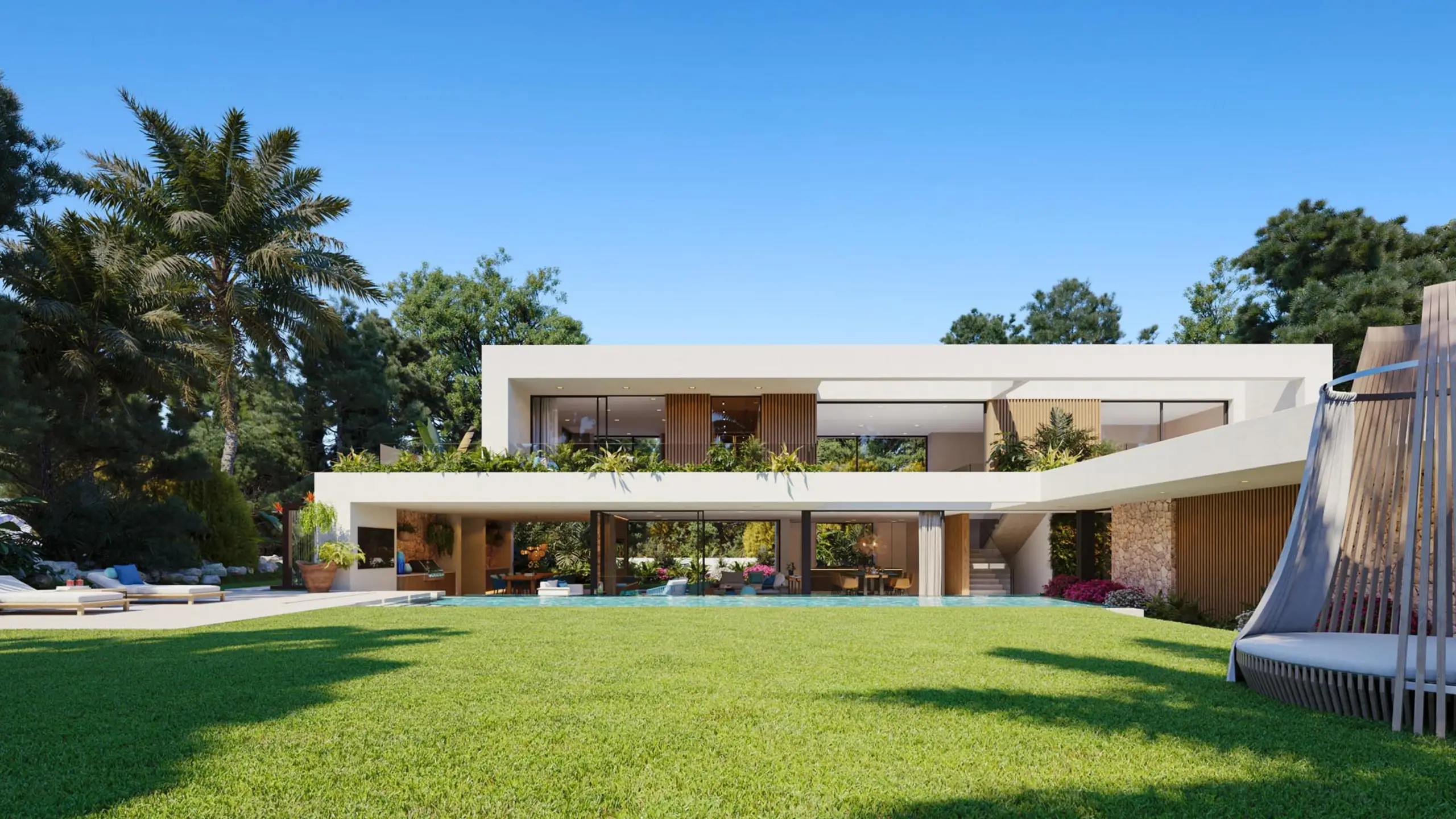
What Does Professional Architectural Visualization Cost?
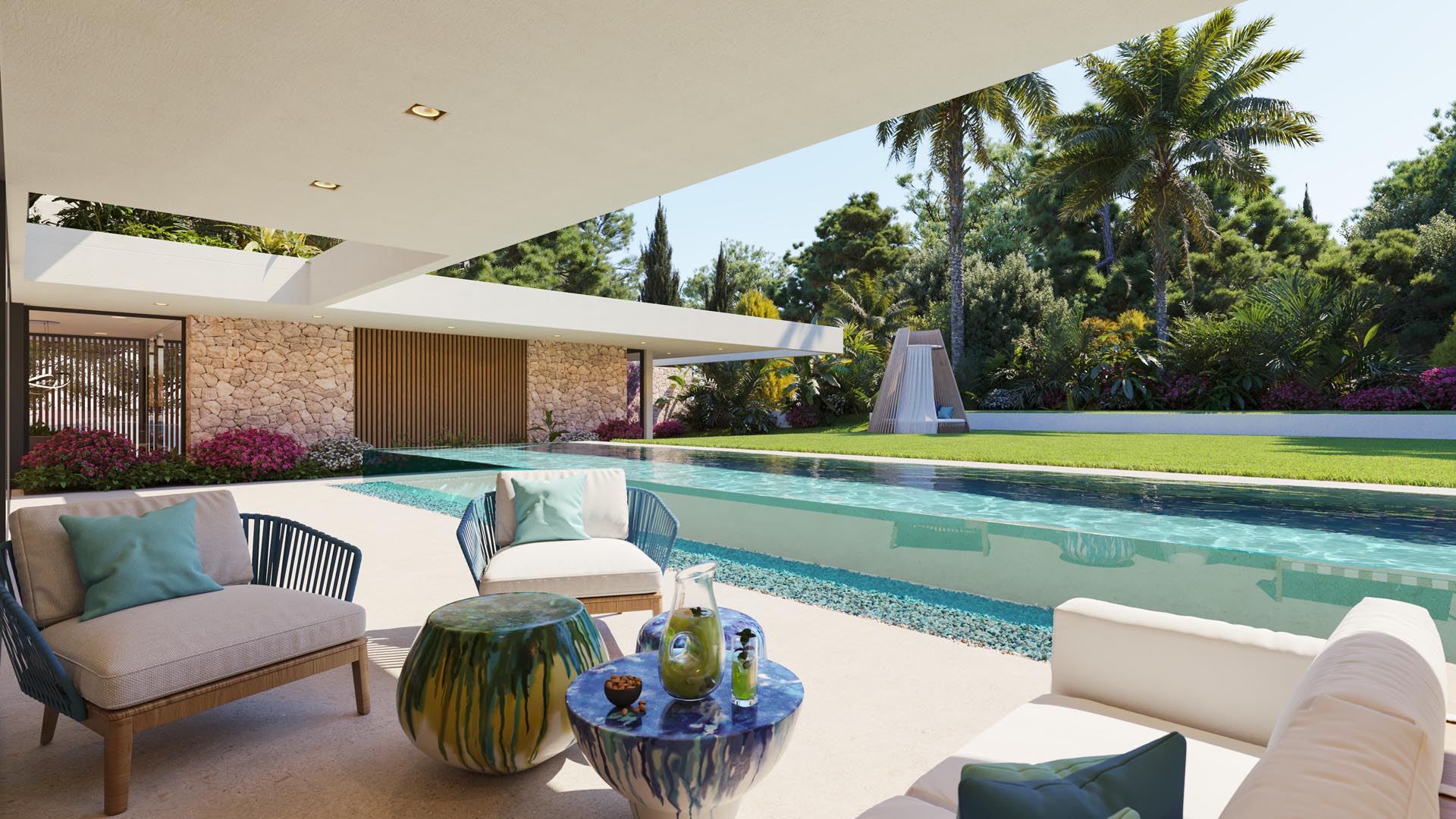
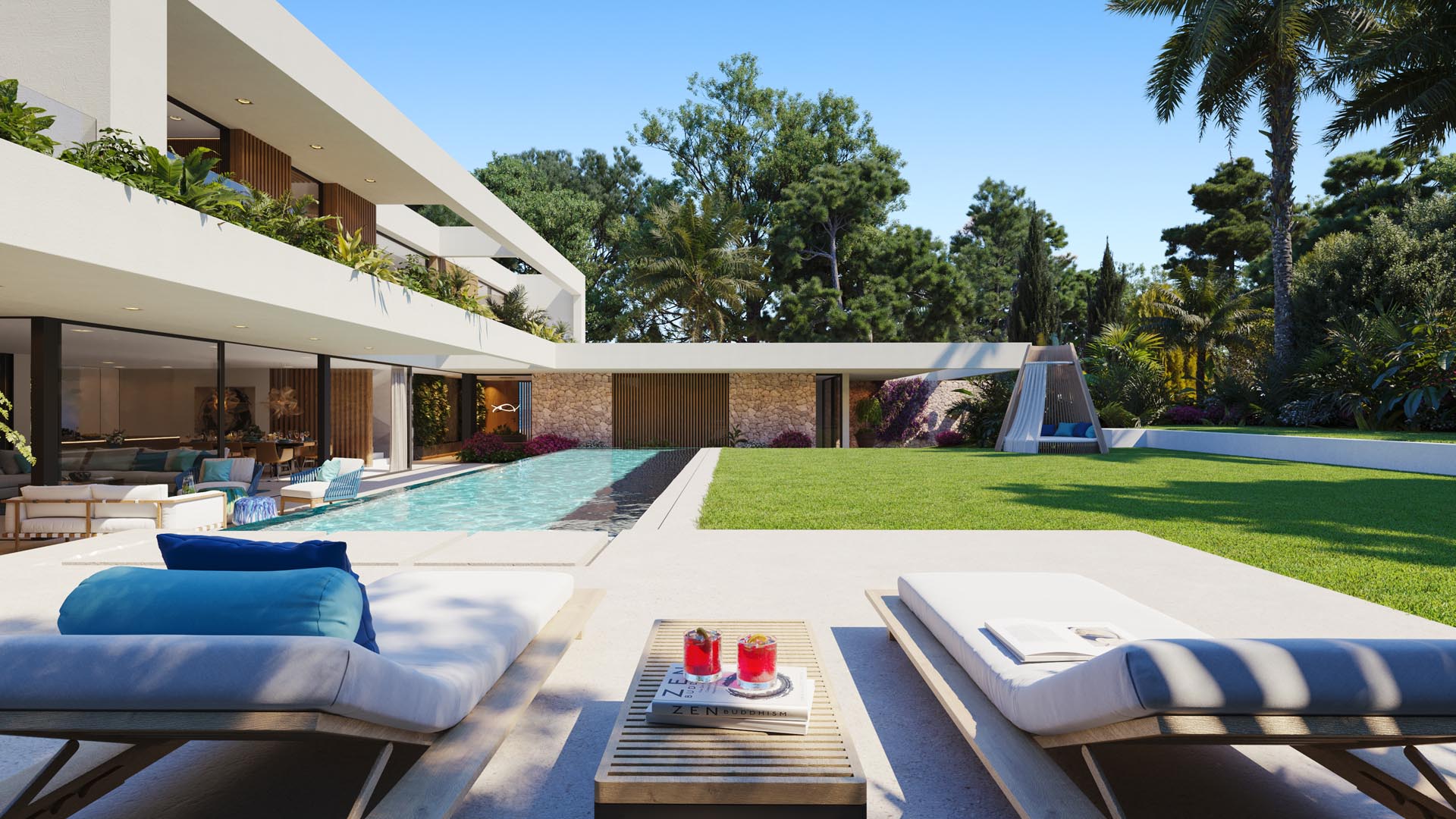
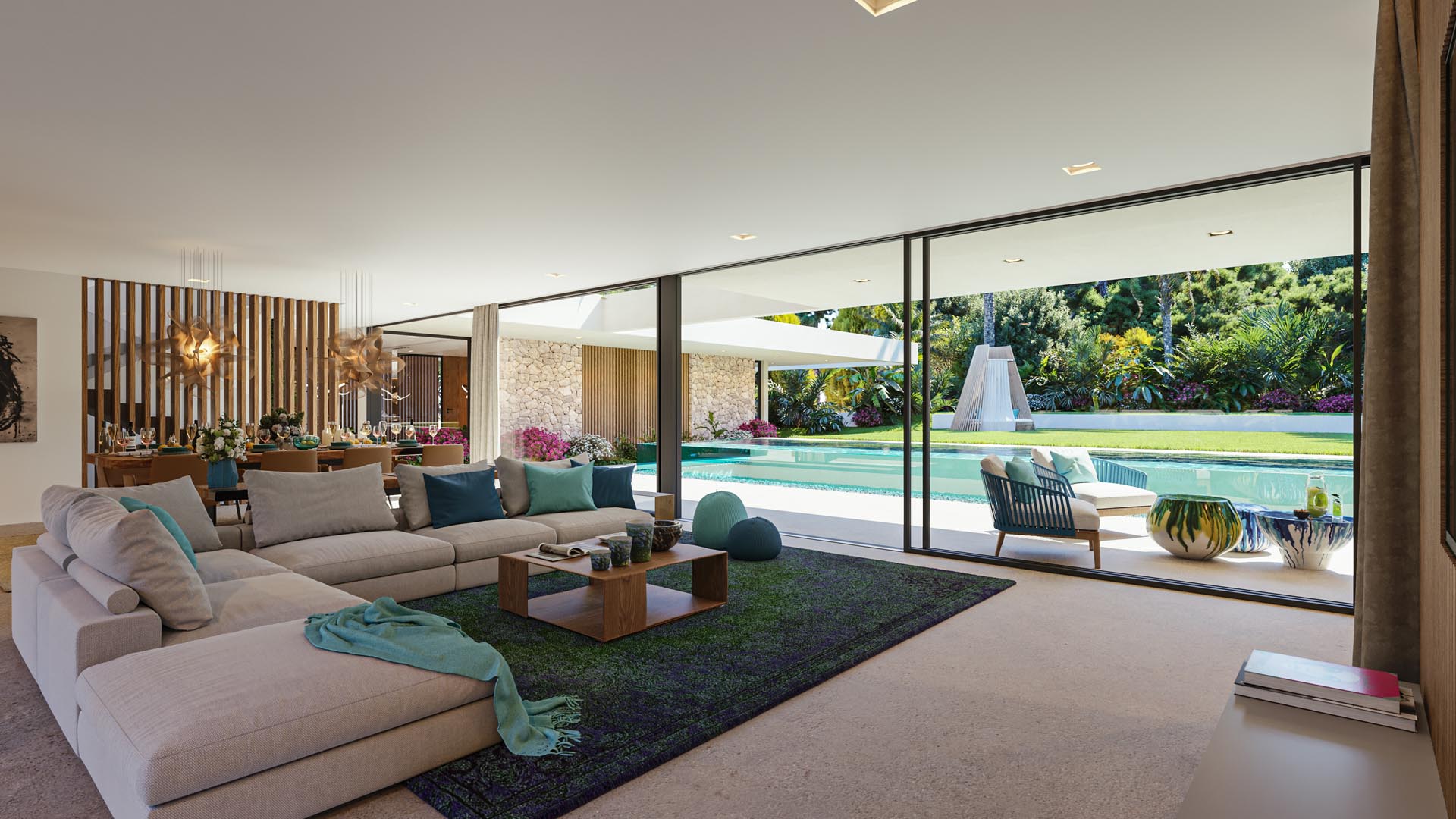
The cost of 3D visualizations depends on project scope, architectural complexity and intended use. Simple renderings start at a few hundred euros, while high-end premium projects can reach several thousand. Since every building project is different, we calculate each visualization individually and transparently – with clear price guidelines instead of hidden flat rates.
✔ Over 15 years of experience ✔ More than 1,000 completed projects ✔ Projects in Germany, Austria, Switzerland and across Europe ✔ Premium quality as standard
3D Visualization Prices at a Glance – Guidelines
Every project is calculated individually. Instead of a standard solution, you receive an individually developed architectural visualization in premium quality. The following price guidelines give you a first transparent orientation:
Service
Price (guideline)
Exterior visualization – single-family house
from 750 €
Exterior visualization – multi-family building
from 950 €
Interior visualization
from 650 €
Additional perspective (same scene)
from 250 €
360° panorama
from 350 €
3D animation
from 1,350 €
All prices excl. VAT.
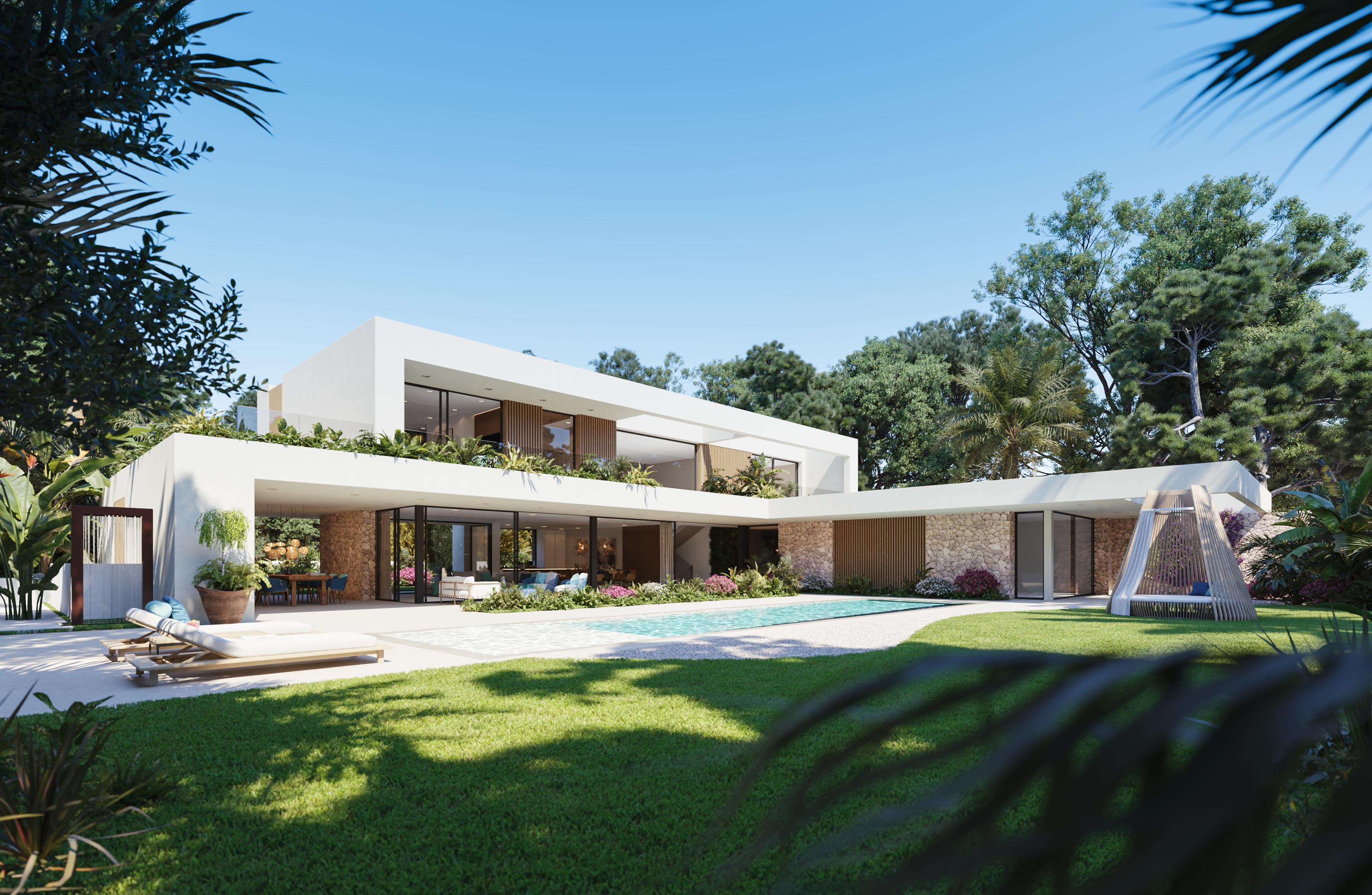
Result
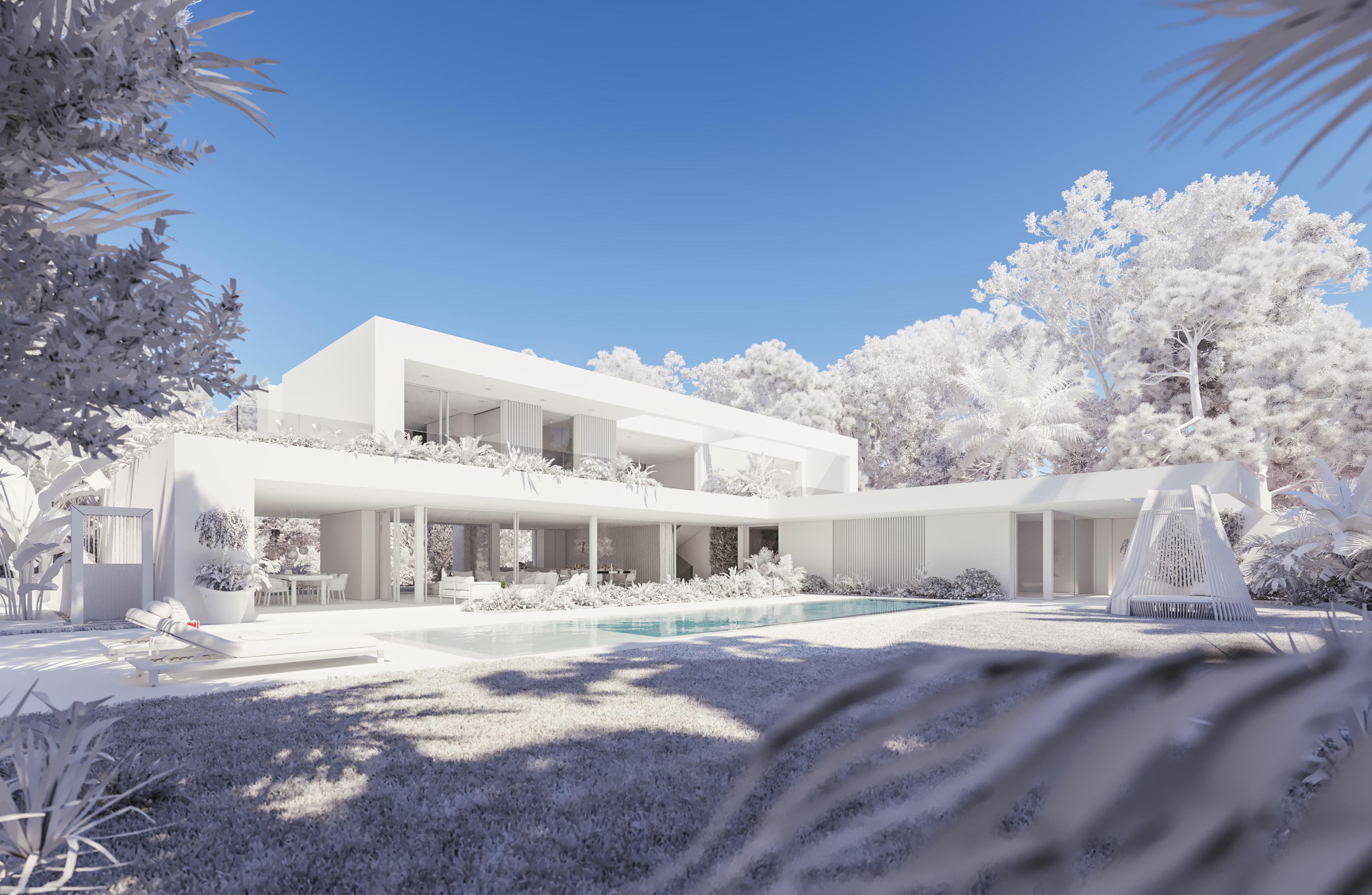
Clay Render
What Is Included in Every Visualization
Every gmsvision visualization includes the agreed level of detail in materials, lighting, furnishings and post-production. We do not offer a separate lower-quality rendering package.
The price is based on the complexity of the architecture, the number of views, the available planning documents and the intended use of the images. These details are defined in the quote before production begins.
Service
Typical providers – Basic
Typical providers – Premium
gmsvision Standard
Photorealistic materials
–
✓
✓
Realistic lighting
–
✓
✓
Furnishing & decoration
partially
✓
✓
Surroundings & vegetation
–
✓
✓
People & staffage
–
extra charge
included
Advanced post-production
–
extra charge
✓
Maximum level of detail
–
✓
✓
Revision rounds
1
2
2 included
What Factors Influence the Cost?
Architectural complexity Project size alone is not a reliable indicator of the effort involved. What matters is the complexity of the architecture. An individually designed single-family house with unusual shapes and many architectural details can be significantly more demanding to visualize than a simply designed hotel or a functional residential building.
Number of perspectives The number of perspectives affects the total price – but not linearly. The first one or two exterior visualizations require the most effort, as the complete 3D base geometry, materials, lighting and scene need to be built first. Additional perspectives can then be created on this basis and are significantly more affordable.
Available planning documents We can visualize your ideas even on the basis of sketches or reference images. The more complete your planning documents are (e.g. CAD or PDF plans), the more efficient the process. An existing, cleanly built 3D model further reduces modelling effort, production time and costs.
Change requests Changes during production are of course possible. However, the later they occur and the more they affect the existing 3D scene, the higher the additional effort and costs. Two revision rounds are included in every project.
Delivery time Production time is usually 2–4 weeks, depending on scope and complexity. Express projects with shorter delivery times are possible by arrangement, depending on current capacity.You can see how the process works step by step in our workflow.
Why Is Professional Architectural Visualization Worth It?
A high-quality 3D visualization doesn't sell architecture – it sells trust. It makes projects understandable, evokes emotions and allows builders, investors and buyers to experience a building realistically before it is built. This simplifies decisions, shortens marketing times and helps properties sell or rent more successfully.
Photorealistic images help investors, buyers and authorities fully understand a project before construction begins. For an overview of our services and selected projects, visit our portfolio.
FAQ – Frequently Asked Questions About Prices and Costs
What does a professional 3D visualization cost?
Simple visualizations start at approx. 650 €. The final price depends on scope and complexity. We provide an individual, transparent quote for every project.
Will I receive a fixed price quote?
Yes – after reviewing your documents, you'll receive a binding, individual quote. Our guidelines serve as a first orientation; the final offer is precisely tailored to your project, with no hidden costs.
Are additional perspectives cheaper?
Yes. The first visualizations include the setup of the complete 3D scene. Additional perspectives of the same scene are significantly more affordable, from approx. 250 €.
Which projects is 3D visualization suitable for?
Residential buildings, multi-family houses, hotels, office buildings, commercial and luxury properties, as well as competitions and international real estate marketing.
Are changes included in the price?
Yes. Two revision rounds are included as standard. Minor adjustments can be implemented at no extra cost; larger planning changes are calculated individually.
What documents are required?
Ideally floor plans, elevations, sections and CAD, BIM or 3D files. Sketches are often enough for a first assessment.
Planning a New Project?
Send us your plans and a short description of your project. We will review the material and get back to you within 1–2 business days with an initial assessment and the next steps.